
Key Takeaways
- Good hygiene and clean surroundings can help reduce exposure to germs and prevent illness.
- Healthy habits such as nutritious eating, hydration, physical activity, and adequate sleep support overall well-being.
- Identifying hazards and using equipment properly can help prevent common injuries at home, work, and in public spaces.
- Responsible medication use and regular healthcare can help people manage their health and recognize potential concerns early.
- Emergency plans, first-aid supplies, and basic safety knowledge can help people respond more effectively during unexpected situations.
- Mental and emotional well-being are important parts of overall health and should not be overlooked.
- Consistent, practical safety habits can reduce avoidable risks and help people protect themselves and others.
Staying healthy and safe is not only about responding to illness, accidents, or emergencies after they happen. Many everyday risks can be reduced through simple habits, thoughtful preparation, and awareness of your surroundings. From maintaining good hygiene and using household equipment correctly to recognizing warning signs and preparing for emergencies, small actions can make a meaningful difference.
Health and safety practices also apply in workplaces, schools, public spaces, and outdoor environments. While no one can eliminate every possible risk, learning practical ways to protect yourself and others can help prevent avoidable problems. The following tips provide a useful foundation for safer everyday living.
1. Keep Your Hands and Surroundings Clean
Good hygiene is one of the simplest ways to support health and reduce the spread of germs. People come into contact with potentially harmful microorganisms throughout the day by touching surfaces, handling objects, preparing food, using shared facilities, and interacting with other people. Regular handwashing and routine cleaning can help reduce unnecessary exposure.
Personal hygiene is especially important before eating, after using the bathroom, after coughing or sneezing, and after handling potentially contaminated materials. Clean surroundings also matter because frequently touched surfaces can accumulate dirt and microorganisms. Making hygiene part of your everyday routine is a practical step that can protect both you and the people around you.
Practice good hand hygiene
Wash your hands thoroughly with soap and clean running water, particularly at important points during the day. When soap and water are unavailable, an appropriate alcohol-based hand sanitizer can be useful.
Remember to clean your hands:
- Before preparing or eating food
- After using the bathroom
- After coughing, sneezing, or blowing your nose
- After touching garbage or potentially contaminated materials
- After caring for someone who is sick
- After spending time in crowded public places
Regularly clean frequently touched surfaces such as doorknobs, light switches, countertops, keyboards, and frequently handled devices.
2. Eat Well, Stay Hydrated, and Stay Active
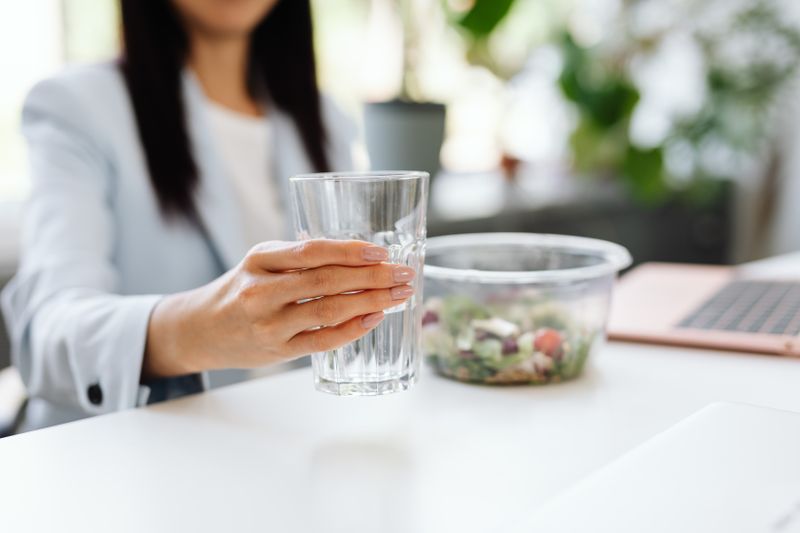
Everyday health and safety also depend on supporting the body’s basic needs. Food provides energy and nutrients, while adequate fluids help the body perform essential functions. Regular physical activity can also support physical fitness, strength, mobility, and overall well-being. These habits do not need to involve complicated diets or demanding exercise programs. Instead, people can focus on consistent choices that fit their individual circumstances.
Eating a variety of nutritious foods, drinking enough fluids, and moving regularly can contribute to better day-to-day health. People with specific medical needs, dietary restrictions, or activity limitations should seek individualized advice from an appropriate healthcare professional.
Build practical daily habits
Consider habits such as:
- Including fruits, vegetables, whole grains, and appropriate protein sources in meals
- Drinking water regularly throughout the day
- Limiting excessive intake of highly processed foods, added sugars, and excess sodium
- Taking regular movement breaks when sitting for long periods
- Choosing physical activities that are appropriate for your abilities
- Getting enough sleep and allowing your body adequate recovery time
Health is influenced by many factors, so avoid viewing one habit as a complete solution. A consistent overall routine is generally more useful than pursuing quick fixes.
3. Learn How to Prevent Common Injuries
Many injuries happen during ordinary activities rather than unusual emergencies. Slips, falls, cuts, burns, strains, and other accidents can occur at home, at work, while exercising, or when traveling. Paying attention to potential hazards before beginning an activity can help reduce unnecessary risks. Good lighting, appropriate footwear, safe equipment, and proper lifting techniques are examples of simple precautions.
Children and older adults may face particular risks from falls or unsafe environments, so their surroundings may require additional attention. Preventing injuries starts with identifying what could go wrong and taking reasonable steps to address the hazard before someone gets hurt.
Make your surroundings safer
Look for hazards such as:
- Wet or slippery floors
- Loose rugs or exposed electrical cords
- Poor lighting on stairs and walkways
- Cluttered passageways
- Unstable furniture
- Damaged tools or equipment
- Objects stored in unsafe locations
When lifting something heavy, use appropriate technique and ask for assistance when necessary. Avoid rushing through tasks that require concentration, particularly when using ladders, sharp tools, machinery, or other equipment.
4. Use Medicines and Health Products Responsibly
Medicines can provide important health benefits when used correctly, but improper use can create avoidable risks. Taking the wrong dose, combining medicines without appropriate guidance, or using someone else’s prescription can cause serious problems. It is important to follow instructions provided by a doctor, pharmacist, or product label. Keep medicines stored appropriately and away from children when necessary. Check expiration dates and dispose of unwanted medicines through appropriate disposal methods available in your area.
People who take multiple medications should make sure their healthcare providers know what they are using, including over-the-counter products and supplements.
Follow safe medication practices
Useful precautions include:
- Read medication labels and instructions carefully.
- Take medicines only as directed.
- Do not share prescription medication with other people.
- Tell healthcare professionals about medicines, supplements, and allergies.
- Store medications according to their instructions.
- Keep medications out of the reach of young children.
- Ask a pharmacist or healthcare professional if you are uncertain about a medicine.
When a medicine causes an unexpected or concerning reaction, seek appropriate medical advice rather than simply continuing to use it without guidance.
5. Know When You Need Medical Attention
Knowing when to seek professional medical care is an important part of protecting your health. Some minor symptoms may improve with rest and basic self-care, while others can indicate a condition requiring prompt evaluation. The challenge is recognizing when a situation has moved beyond what can reasonably be managed at home. People should pay attention to symptoms that are severe, sudden, persistent, worsening, or unusual for them.
Individual circumstances also matter, particularly for young children, older adults, pregnant people, and those with existing medical conditions. When in doubt about a potentially serious symptom, contacting an appropriate healthcare professional is safer than relying solely on online information.
Pay attention to warning signs
Seek urgent or emergency medical assistance for symptoms that may indicate a serious or life-threatening problem, such as:
- Severe difficulty breathing
- Loss of consciousness
- Signs of a serious allergic reaction
- Severe chest pain or pressure
- Sudden weakness or difficulty speaking
- Uncontrolled bleeding
- Serious injuries
- Seizures or other severe neurological symptoms
The appropriate response depends on the circumstances and local emergency services. When a situation appears life-threatening, contact emergency services rather than waiting for symptoms to resolve.
6. Make Preventive Healthcare Part of Your Routine
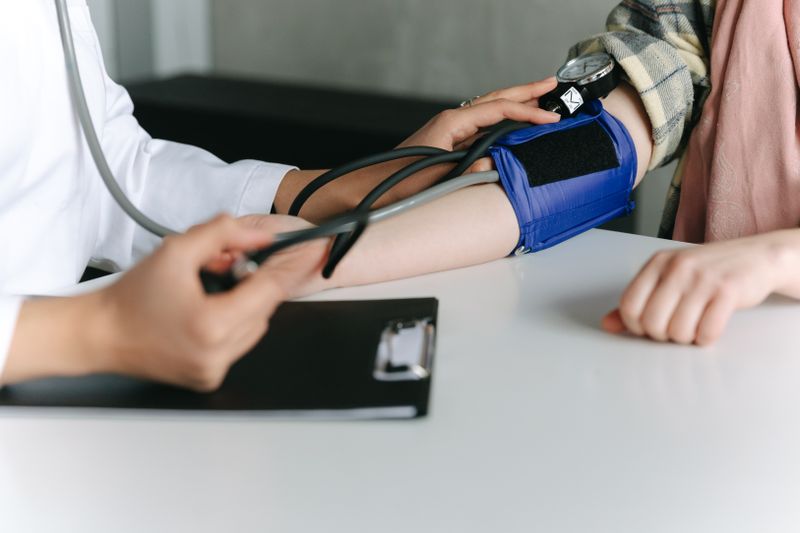
Healthcare should not begin only when something feels wrong. Regular health maintenance can help people identify potential concerns, discuss risk factors, and stay up to date with appropriate preventive measures. The specific screenings, vaccinations, checkups, and other services a person needs depend on factors such as age, medical history, family history, lifestyle, and other individual circumstances.
Rather than following a generic schedule without considering personal needs, discuss appropriate preventive care with a qualified healthcare professional. Regular appointments can also create opportunities to ask questions about changes in your health and address concerns before they become more difficult to manage.
Stay proactive about your health
Depending on your circumstances, preventive healthcare may include:
- Routine medical checkups
- Recommended vaccinations
- Appropriate health screenings
- Dental examinations and care
- Vision and hearing assessments when appropriate
- Discussions about nutrition, physical activity, sleep, and lifestyle
- Monitoring known health conditions
For people looking for broader support, preventive care and wellness consultations may provide an opportunity to discuss health goals and appropriate preventive strategies with a qualified professional.
The right schedule varies from person to person, so individualized medical advice is preferable to assuming that every screening or test is necessary for everyone.
7. Prepare for Emergencies Before They Happen
Emergencies are difficult to manage when people have not prepared in advance. Natural disasters, fires, power outages, serious injuries, and other unexpected events can happen with little warning. Preparation does not require predicting exactly what will happen. Instead, it involves creating a basic plan and making essential supplies accessible.
Households should know how to contact emergency services and where to go if evacuation becomes necessary. Businesses, schools, and other organizations should also have emergency procedures appropriate to their environment. Taking time to prepare while everything is calm can make it easier to respond effectively when circumstances become stressful.
Create an emergency plan
A basic plan can include:
- Important emergency telephone numbers
- Primary and alternative evacuation routes
- A designated meeting location
- Emergency contacts outside the immediate household
- Essential medications and medical information
- Flashlights and backup batteries
- Drinking water and shelf-stable food
- A properly stocked first-aid kit
- Necessary supplies for infants, older adults, or pets
Review the plan periodically and update contact information or supplies when circumstances change.
8. Practice Safety at Work and in Public Places
Health and safety are not limited to the home. People spend significant amounts of time in workplaces, schools, transportation systems, stores, recreational facilities, and other public environments. Each setting can present different hazards, from slippery surfaces and crowded walkways to machinery, chemicals, traffic, and poor ergonomics. Pay attention to warning signs and follow established safety procedures rather than assuming that familiar environments are automatically safe.
Employers and facility operators have responsibilities for maintaining appropriate safety measures, but individuals also play an important role by following instructions and reporting hazards when they notice them.
Stay alert in shared environments
At work or in public spaces:
- Follow posted safety instructions.
- Wear required protective equipment.
- Use equipment only when properly trained.
- Report unsafe conditions to the appropriate person.
- Keep walkways clear when responsible for a work area.
- Avoid distractions when crossing roads or operating equipment.
- Pay attention to emergency exits and evacuation instructions.
If you work with chemicals, machinery, vehicles, or other hazards, follow the relevant workplace procedures and training rather than improvising your own methods.
9. Protect Your Mental and Emotional Well-Being
Health includes more than physical safety. Stress, exhaustion, isolation, and other challenges can affect concentration, decision-making, sleep, relationships, and everyday functioning. When people are overwhelmed, they may also be more likely to overlook hazards or make unsafe decisions. Taking reasonable steps to support emotional well-being can therefore be part of an overall approach to health and safety.
This may include getting adequate rest, maintaining social connections, setting reasonable boundaries, and finding healthy ways to manage stress. Mental health concerns deserve the same seriousness as physical health concerns, particularly when symptoms interfere significantly with daily life.
Know when additional support may help
Consider reaching out to a qualified mental health professional or healthcare provider when emotional difficulties:
- Persist for an extended period
- Interfere with work, school, relationships, or daily activities
- Make it difficult to sleep or care for yourself
- Become increasingly difficult to manage
- Lead to thoughts of harming yourself or someone else
If there is an immediate risk of harm, contact local emergency services or an appropriate crisis resource immediately.
10. Learn Basic First Aid and Keep Supplies Ready
First aid cannot replace professional medical treatment, but basic knowledge can be valuable when an injury or sudden illness occurs. Knowing what to do while waiting for appropriate assistance can help a person respond more calmly and avoid making a situation worse. A basic first-aid kit can also provide useful supplies for minor injuries.
People should learn first aid from reputable training providers because proper techniques can vary depending on the situation. It is equally important to understand your limitations. If an injury appears serious or a person’s condition is deteriorating, seek professional medical assistance rather than attempting to manage the situation independently.
Keep a practical first-aid kit
A household or workplace kit may include appropriate supplies such as:
- Adhesive bandages
- Sterile gauze
- Medical tape
- Disposable gloves
- Antiseptic supplies
- Scissors
- Tweezers
- A digital thermometer
- Emergency contact information
- Necessary personal medications
Check the kit regularly and replace expired, damaged, or used items. Consider taking a recognized first-aid or CPR course so you can learn appropriate techniques rather than relying entirely on written instructions.
How Can You Make Safety Part of Everyday Life?
The most effective safety habits are often the ones that become routine. Instead of treating health and safety as something that matters only during emergencies, look for small opportunities to reduce risks throughout the day. Wash your hands, keep walkways clear, use equipment correctly, follow medical instructions, pay attention to warning signs, and know where to find emergency supplies. These actions may seem simple, but consistent habits can make a meaningful difference over time. It is also useful to review your routines periodically because your household, workplace, health needs, and environment can change. Safety planning should evolve alongside those changes.
Start with a simple checklist
You can begin by asking yourself:
- Is my living environment free from obvious hazards?
Look for trip hazards, unsafe electrical connections, poor lighting, and improperly stored products. - Do I know what to do during an emergency?
Make sure you know how to contact local emergency services and where to go if evacuation is necessary. - Are my medicines stored and used safely?
Check labels, expiration dates, storage instructions, and dosing directions. - Do I pay attention to changes in my health?
Persistent or concerning symptoms should be discussed with an appropriate healthcare professional. - Does my workplace have safety procedures that I understand?
Follow required training and report hazards rather than ignoring them. - Is my first-aid kit ready?
Replace missing or expired supplies and make sure household members know where it is.
Small improvements can make safety easier to maintain. The goal is not to become fearful of everyday activities but to become more prepared and aware.
Why Do Everyday Safety Habits Matter?
Health and safety practices are most valuable when they become part of normal life rather than something people remember only after an accident occurs. Many common risks can be reduced through awareness, preparation, hygiene, responsible healthcare decisions, and attention to the environment. These measures cannot prevent every illness or injury, and they should never replace professional medical care when it is needed. However, they can provide a practical foundation for protecting yourself and those around you. By developing sensible routines and knowing when to seek assistance, people can respond to everyday risks with greater confidence and preparedness.
The most important habits include:
- Maintaining good hygiene
- Eating nutritious foods and staying hydrated
- Staying physically active within your abilities
- Preventing avoidable injuries
- Using medicines responsibly
- Keeping up with appropriate healthcare
- Preparing for emergencies
- Following safety procedures at work and in public
- Supporting mental and emotional well-being
- Learning basic first aid
Conclusion
Health and safety are built through everyday choices rather than a single action. Keeping your surroundings clean, paying attention to potential hazards, maintaining healthy routines, preparing for emergencies, and knowing when to seek professional help can all contribute to safer daily living. It is also important to recognize that everyone’s needs are different. Age, environment, occupation, medical history, and other circumstances can affect which precautions are appropriate.
The goal is not to eliminate every risk, because that is impossible. Instead, practical preparation and informed habits can help reduce preventable problems and make it easier to respond when something unexpected happens. By making these practices part of your normal routine, you can create a stronger foundation for protecting your health, safety, and overall well-being.