Recovery is rarely a straight line. For many people, healing from substance use or mental health challenges requires a level of support that fits into everyday life without removing personal responsibilities. Work schedules, family obligations, school, and relationships often continue during treatment, which is why flexible care options can make such a meaningful difference.
An intensive out patient program offers a balance between consistent therapeutic care and the ability to remain connected to daily routines. This level of support can help individuals build healthy coping skills while continuing to practice them in real-world situations.
For people who need more structure than weekly counseling but do not require residential care, this approach can provide an important foundation for long-term healing.
Creating Consistency During Early Recovery
The early stages of recovery can feel emotionally overwhelming. Many people experience uncertainty, stress, mood changes, or difficulty rebuilding routines. A structured treatment schedule helps create stability during a time when consistency matters most.
An intensive out patient program typically includes multiple therapy sessions each week, group counseling, individual support, and educational resources. These services help individuals stay engaged in recovery while receiving guidance from trained professionals.
Consistency often plays a major role in helping people regain confidence. Regular appointments encourage accountability and provide opportunities to discuss challenges before they grow into larger setbacks. Over time, these routines can help individuals feel more grounded and supported.
Supporting Real-Life Responsibilities
One reason many people choose intensive out patient care is the flexibility it provides. Residential treatment may not be possible for individuals who care for children, maintain employment, or attend school. Outpatient support allows people to continue managing important responsibilities while receiving treatment.
This balance can also help individuals practice recovery skills in real time. Stressful situations, social triggers, and emotional conflicts may still arise during everyday life. Therapy sessions provide a safe environment to process these experiences and develop healthier responses.
For many participants, this ongoing connection between treatment and daily living strengthens long-term progress. Instead of stepping away from life completely, individuals learn how to navigate challenges while remaining supported throughout the process.
Building Meaningful Peer Connections
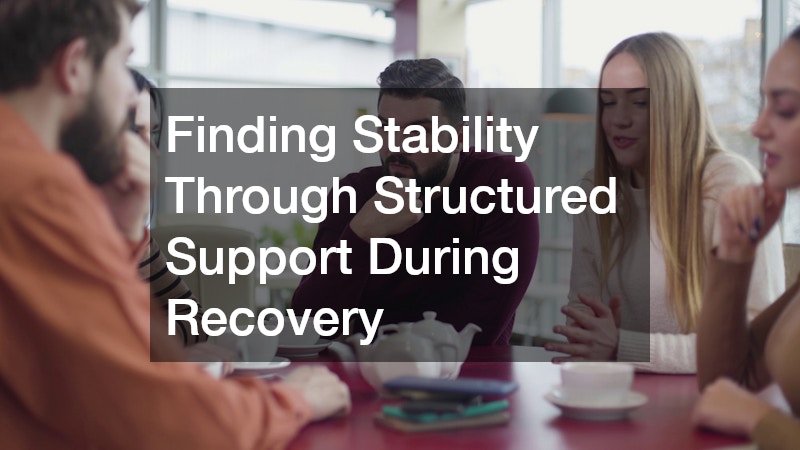
Recovery can sometimes feel isolating, especially for people who believe others may not understand their experiences. Group counseling is often a valuable part of intensive out patient treatment because it creates opportunities for connection and shared understanding.
Peer support can reduce feelings of shame and encourage honest conversations about struggles, setbacks, and progress. Hearing from others who are facing similar challenges often reminds individuals that they are not alone.
Group settings may also help participants improve communication skills, emotional awareness, and relationship-building strategies. These lessons can positively affect personal relationships outside of treatment as well.
A supportive recovery community often becomes an important source of encouragement during difficult moments. Feeling understood by others can strengthen motivation and help individuals remain engaged in care.
Addressing Mental and Emotional Health
Substance use and mental health concerns are frequently connected. Anxiety, depression, trauma, grief, and chronic stress can all affect recovery in significant ways. Effective treatment focuses on the whole person rather than only the symptoms of addiction.
An intensive out patient program may include therapies designed to help individuals better understand emotional triggers, thought patterns, and coping behaviors. Cognitive behavioral therapy, family counseling, and trauma-informed care are common approaches that help people develop healthier ways to manage emotions.
Emotional healing often takes time. Having access to ongoing support allows individuals to work through difficult experiences gradually while building resilience and self-awareness.
Encouraging Long-Term Lifestyle Changes
Recovery involves more than stopping harmful behaviors. It also includes building routines and habits that support overall well-being. Treatment programs often encourage healthy lifestyle practices such as improved sleep habits, stress management, physical wellness, and stronger communication skills.
Small changes can have a meaningful impact over time. Developing healthier daily routines may help individuals feel more emotionally balanced and better prepared to handle future challenges.
Many intensive out patient programs also provide relapse prevention planning. Learning how to recognize triggers and respond to stressful situations can help individuals maintain progress after treatment ends.
Long-term recovery often grows through steady, consistent effort. Ongoing support and education can help people feel more confident as they continue moving forward.
Moving Forward With Support
Seeking help is a deeply personal decision, and every recovery journey looks different. Some individuals benefit from residential treatment, while others find that intensive out patient care provides the right level of structure and flexibility for their needs.
What matters most is finding support that encourages healing, personal growth, and stability. Recovery is not about perfection. It is about creating healthier patterns, rebuilding confidence, and learning how to move forward one step at a time.
With compassionate care, professional guidance, and a strong support system, lasting change becomes possible.