

Caring for a pet involves far more than food, water, and belly rubs. From routine wellness visits to unexpected emergencies, your animal companion depends on you to make smart healthcare decisions on their behalf. Many pet owners feel overwhelmed trying to figure out which services they actually need, when to use them, and how to budget for them. This guide breaks down the essential categories of pet healthcare so you can build a plan that keeps your pet healthy, comfortable, and well cared for at every life stage.
Building a Relationship With a Primary Care Provider
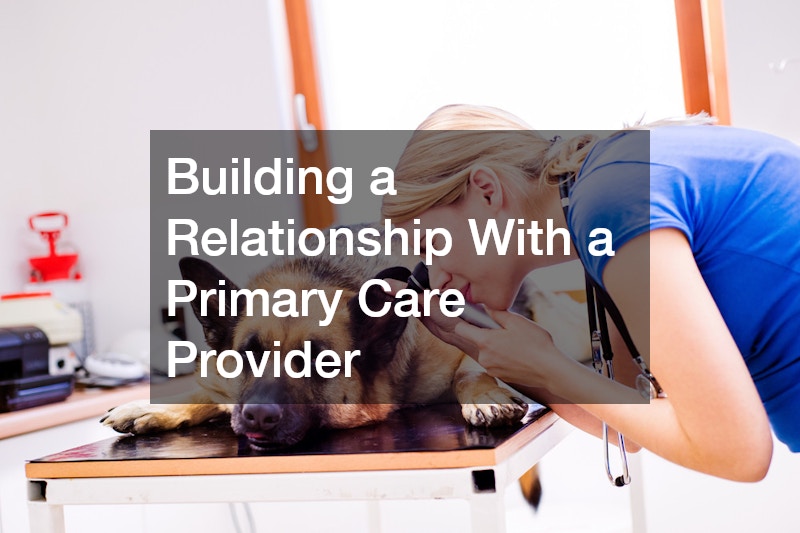
Every pet benefits from having a consistent primary care provider who knows their history, temperament, and specific health quirks. A trusted pet veterinarian can track weight changes, vaccination schedules, and subtle behavioral shifts that might signal a bigger problem. Over time, this familiarity allows a provider to notice small deviations from your pet’s baseline, like a two-pound weight gain or a slightly elevated heart rate, that a first-time visitor might dismiss as normal variation. This continuity also matters when specialists get involved, since your primary vet can coordinate referrals and interpret test results in the context of your pet’s full medical history rather than a single snapshot.
Establishing this relationship early, ideally when your pet is young or newly adopted, makes future visits less stressful for everyone involved. Puppies and kittens typically need a series of checkups every three to four weeks until about sixteen weeks old, which gives your veterinarian repeated low-stakes opportunities to build trust with your pet through gentle handling and positive reinforcement. Adult pets generally benefit from at least one wellness visit a year, while seniors age seven and up often need checkups every six months to catch age-related issues like arthritis or kidney decline sooner. Larger dog breeds and certain cat breeds prone to genetic conditions, such as Maine Coons and hip dysplasia in German Shepherds, may need even closer monitoring starting earlier in life.
Regular checkups also give you a chance to ask questions about diet, exercise, and preventive care before small issues become expensive ones. Come prepared with a running list of observations, changes in appetite, litter box habits, energy levels, so nothing gets forgotten in the moment. It also helps to note the timing and frequency of any symptoms, since a vet can often narrow down causes faster when they know whether something happens daily, only after meals, or just once a week.
Many practices also offer year-round wellness plans that bundle routine bloodwork, dental cleanings, and parasite prevention, which can both simplify scheduling and reduce out-of-pocket costs over time. Some clinics extend these plans to include discounted emergency visit fees or unlimited office visits within a calendar year, which can add real value for pets with chronic conditions. Before enrolling, it’s worth comparing what’s included against what you’d typically pay for standalone services, since not every plan offers meaningful savings for every pet’s needs.
Beyond annual exams, a primary care relationship means your provider can spot patterns over time that a one-time visit would miss. A vet who has seen your dog every year since puppyhood will notice a two-pound weight gain, a subtle limp, or a slight change in coat quality far faster than a new clinician working from a single snapshot. That kind of trend-spotting often catches conditions like early kidney disease, arthritis, or thyroid imbalances months before symptoms become obvious. Baseline bloodwork taken while your pet is healthy also gives your vet a personal reference point, so a lab result that looks “normal” on a chart might still flag a meaningful shift for your specific animal.
They also become a reliable resource for referrals, second opinions, and honest guidance when treatment decisions get complicated, whether that means connecting you with a veterinary cardiologist, a boarded oncologist, or a rehabilitation specialist. Because they already know your pet’s temperament, risk factors, and your family’s financial and emotional bandwidth, they can help you weigh tough calls, like whether surgery makes sense for an older pet or if a less invasive option is worth trying first. That context is hard for an unfamiliar vet to replicate in a single appointment.
Building trust with one clinic also streamlines paperwork, since your pet’s full medical history, vaccination records, lab results, allergy notes, and past reactions to medications are already on file rather than scattered across multiple providers. This matters most in emergencies, when a specialist or ER team can pull up years of records in minutes instead of relying on your memory of dates and dosages. It also cuts down on unnecessary repeat testing, which saves money and spares your pet the stress of extra procedures.
This continuity of care often leads to earlier diagnoses, fewer redundant tests, and better long-term outcomes overall. Many practices now also track preventive care schedules automatically, sending reminders for vaccines, dental cleanings, or senior wellness panels before you’d otherwise think to book them. Over the life of a pet, that kind of consistent oversight can add up to real differences in both health and cost.
Knowing When It’s an Emergency
Not every health scare requires a frantic drive across town, but knowing the difference between a wait-and-see situation and a true crisis can save your pet’s life. Urgent veterinary care is appropriate for issues like limping, minor cuts, vomiting that persists for a day, or mild allergic reactions that need same-day attention but aren’t immediately life-threatening. These situations still deserve prompt professional evaluation, even if they don’t require a trip to the emergency room.
True emergencies, on the other hand, call for immediate action at emergency vet clinics that are equipped for critical situations around the clock. Signs that warrant this level of care include difficulty breathing, seizures, uncontrolled bleeding, sudden collapse, or suspected poisoning. Knowing the location and hours of the nearest facility before you need it can shave precious minutes off your response time during a real crisis.
- Difficulty breathing or persistent gasping
- Suspected ingestion of toxic substances
- Seizures lasting more than a few minutes
- Severe trauma from an accident or fall
- Bloated or distended abdomen in dogs
Specialized Care for Larger Animals
Pet healthcare isn’t limited to cats and dogs, and homeowners with acreage or hobby farms often need to think beyond the standard clinic visit. Larger animals come with larger stakes: a missed lameness issue or overlooked dental problem can quickly escalate into a costly emergency or a permanent soundness issue. Planning ahead for specialized care isn’t optional for these animals—it’s a core part of responsible ownership.
If you keep horses, a dedicated horse service that understands equine anatomy, dental needs, and hoof care is essential for long-term soundness. Horses typically need dental floating once or twice a year to correct uneven wear on their teeth, along with routine farrier visits every six to eight weeks to keep hooves balanced and prevent conditions like thrush or laminitis. A good equine vet will also assess gait and posture regularly, since subtle changes can signal joint or musculoskeletal problems long before obvious lameness appears.
These animals require specialized vaccination schedules, deworming protocols, and nutritional plans that differ significantly from small companion animals. Core vaccines for horses often include protection against tetanus, Eastern and Western encephalomyelitis, West Nile virus, and rabies, with boosters timed around seasonal insect activity. Deworming has shifted from blanket monthly treatments to targeted protocols based on fecal egg counts, reducing the risk of parasite resistance. Nutritionally, horses need diets built around forage quality and body condition scoring, with adjustments for age, workload, and metabolic conditions like insulin resistance or laminitis risk.
Because horses can’t easily be transported to a standard clinic, many equine practitioners travel directly to the property to perform exams, vaccinations, and minor procedures. This mobile approach reduces stress on the animal and allows the provider to observe the horse in its everyday environment, which can reveal clues about lameness or behavioral issues. Mobile visits typically run $75 to $150 for a basic call-out fee, with additional charges for specific treatments, so it’s worth asking for a full breakdown before scheduling.
Larger animals also come with their own maintenance calendar: most horses need dental floating once a year, hoof trims every 6 to 8 weeks, and core vaccinations like tetanus and rabies on an annual schedule. Owners of livestock such as goats, sheep, or alpacas should expect similar routines, including deworming protocols and herd health checks, especially if animals are kept in close quarters where illness spreads quickly.
Because emergencies with large animals—colic, foaling complications, or severe lacerations—can escalate fast, it helps to know which practitioners offer after-hours or weekend availability before you actually need one. If you’re new to horse ownership, ask neighboring farms for recommendations on practitioners with strong reputations in your area, and consider confirming whether they have experience with your specific breed or species, since care needs can vary significantly between, say, a draft horse and a miniature pony.
Maintaining Coat and Skin Health
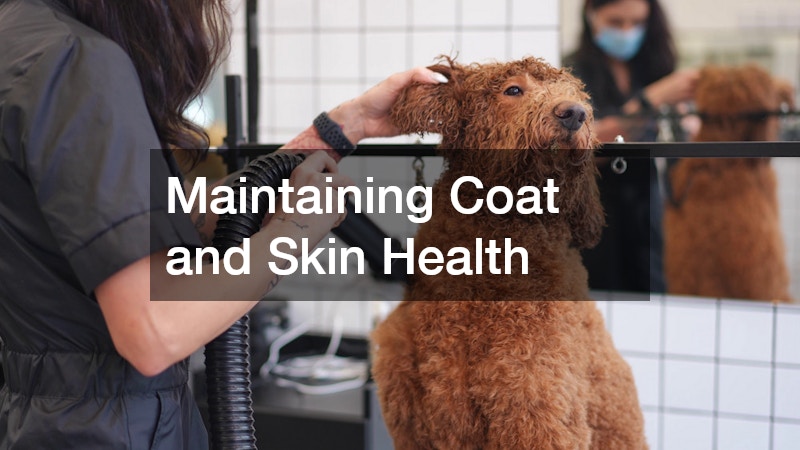
Regular grooming does more than keep your pet looking presentable; it plays a real role in their overall health. Routine dog grooming helps prevent matting, reduces shedding around the house, and gives you a chance to notice lumps, ticks, or skin irritations early. Many breeds also require nail trims and ear cleaning on a schedule that owners often overlook until problems develop.
Skipping grooming appointments can lead to painful mats that pull on the skin, overgrown nails that affect gait, and hidden skin infections that go unnoticed under thick fur. A good groomer will also flag anything unusual, such as a new mole or an unusually sensitive spot, and suggest a follow-up with your vet. Think of grooming as a preventive health measure rather than just a cosmetic one.
- Reduces matting and painful skin tension
- Allows early detection of lumps or parasites
- Keeps nails at a healthy length for proper gait
- Minimizes shedding and allergens in the home
Convenient Options for Busy Households
Not every household has time to sit in a waiting room for a grooming appointment, especially with multiple pets or a hectic work schedule. Mobile pet groomers bring the salon experience directly to your driveway, often in a fully equipped van with water, dryers, and grooming tools on board. This option works especially well for anxious pets who find traditional salons overwhelming or for senior animals who struggle with car rides.
The convenience extends beyond scheduling, since your pet avoids exposure to unfamiliar animals and reduces the risk of picking up illnesses in a shared waiting area. Many mobile services also offer more personalized attention because they work with one pet or one household at a time rather than juggling a full salon. If your pet has anxiety around travel or other animals, this can be a genuinely calmer alternative.
Planning Ahead for Travel and Time Away
Vacations, business trips, and family emergencies all require a plan for your pet’s care when you can’t be there. Dog boarding facilities offer a supervised environment with structured feeding schedules, exercise time, and socialization opportunities that can make time away less stressful for both of you. Touring a facility ahead of time and asking about staff-to-pet ratios helps ensure your dog will be safe and comfortable.
When choosing a boarding option, look closely at cleanliness standards, vaccination requirements for all boarded animals, and how staff handle pets with anxiety or medical needs. Ask whether the facility has a relationship with a nearby clinic in case of a health issue during your pet’s stay. A well-run boarding operation should be transparent about their daily routines and willing to answer detailed questions.
- Confirm vaccination requirements for all boarded pets
- Ask about staff-to-pet ratios and supervision during play
- Check whether medications can be administered on schedule
- Review the facility’s protocol for medical emergencies
Managing Unique Medication Needs
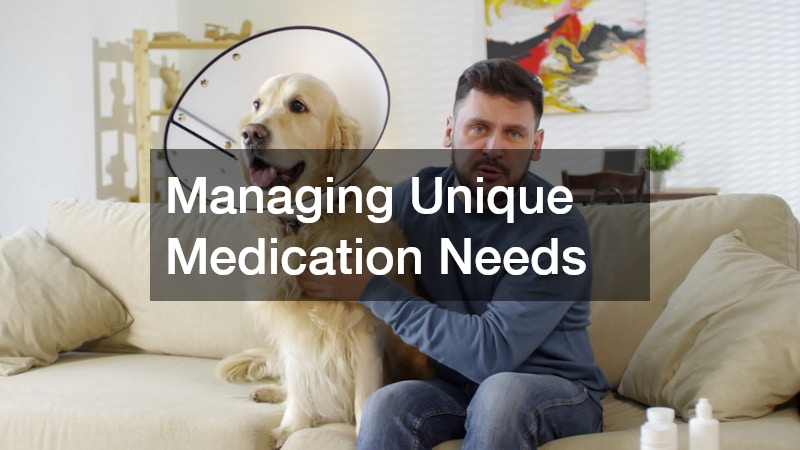
Some pets have health conditions or sensitivities that make standard, mass-produced medications impractical. In these cases, a vet compounding pharmacy can create customized formulations, such as flavored liquids for pets who refuse pills or adjusted dosages for very small or very large animals. This option is particularly valuable for pets on long-term medication regimens who struggle with traditional tablets.
Working with a compounding pharmacy usually requires a prescription from your veterinarian, along with clear communication about dosage and administration frequency. It’s worth asking your vet whether a compounded option might improve your pet’s compliance with treatment, especially if you’ve struggled to get them to take medication consistently. Better compliance often means better outcomes and fewer missed doses.
Making End-of-Life Decisions With Care
Few aspects of pet ownership are harder than planning for the end of your pet’s life, but thinking through the options in advance can ease some of the burden when the time comes. Many families choose affordable pet cremation as a respectful way to handle remains, whether opting for a private cremation with returned ashes or a communal service. Discussing these choices with your vet ahead of time, rather than during a crisis, allows for a calmer and more thoughtful decision.
It also helps to understand what documentation or arrangements a provider requires, since policies vary between clinics and standalone crematory services. Some families choose to keep ashes in an urn, scatter them in a meaningful location, or opt for simple burial arrangements instead. Whatever you choose, having the conversation early removes one layer of stress during an already emotional time.
Cleaning Up After Accidents at Home

Even the best-trained pets have accidents, especially puppies, senior animals, or pets recovering from illness or surgery. When stains and odors soak into flooring, a professional carpet cleaner can remove lingering bacteria and smells that basic home cleaning often misses. This matters not just for your home’s cleanliness but for your pet’s health, since bacteria buildup in soiled areas can contribute to skin or paw infections.
Regular deep cleaning also helps control allergens and dander that accumulate in carpet fibers over time, which benefits both pets and human household members with sensitivities. If accidents become frequent or sudden, it’s worth mentioning the pattern to your vet, since it can sometimes signal an underlying medical issue rather than a behavioral one. Addressing both the mess and its root cause keeps your home and your pet healthier long term.
Understanding the full range of pet healthcare options, from routine checkups to emergency preparedness, grooming, boarding, and end-of-life planning, puts you in a much stronger position to care for your animal companion. Start by identifying which services you already have in place and which gaps need to be filled before an emergency forces a rushed decision. Take time this week to research local providers, save important contact information, and have honest conversations with your current care team about your pet’s specific needs. A little preparation now can make all the difference when your pet needs you most.