This article will guide you through essential tips and information on maintaining strong and healthy teeth by avoiding common everyday harm. Regular checks and teeth cleaning at your local dental office are always the best way to care for your teeth.
What are the Best Practices for Daily Dental Hygiene?
Understanding the Importance of Brushing and Flossing
Maintaining good oral hygiene is fundamental for preventing tooth decay and gum disease. Brushing your teeth at least twice a day helps remove plaque—a sticky film of bacteria that forms on your teeth.
Ensure you brush for a full two minutes, cleaning all surfaces of your teeth. Flossing is equally important as it removes food particles and plaque from between the teeth and under the gum line where a toothbrush can’t reach. Ignoring these steps can lead to tartar build-up, which only a professional can remove.
The long-term neglect of brushing and flossing can result in gum disease, which affects nearly half of adults over the age of 30. Gum disease is not only detrimental to oral health, it has been linked to more severe health problems, such as cardiovascular disease. Therefore, understanding the role of brushing and flossing in preventing this is crucial. Furthermore, regular dental visits can aid in reinforcing these habits. Your dentist can provide personalized recommendations on brushing and flossing techniques that best suit your needs.
Choosing the Right Toothbrush and Toothpaste
Choosing the right toothbrush is vital for effective brushing. Dentists generally recommend using a soft-bristled toothbrush as it effectively cleans your teeth without damaging the enamel or gums. Electric toothbrushes can offer additional benefits by providing more brush strokes per minute than manual brushing. Choose one with a small head to better reach the back teeth and any hard-to-clean areas of the mouth. Proper care in selecting a toothbrush can improve oral health significantly.
Replacing your toothbrush every three to four months or sooner if the bristles are frayed, is crucial for maintaining its effectiveness. A worn toothbrush won’t clean your teeth properly, and old bristles can harbor harmful bacteria. Properly rinsing your toothbrush after use and storing it in an upright position to air-dry will ensure hygiene. Keeping hygiene in mind when choosing dental tools can make all the difference. Healthy teeth contribute to a healthier overall self, so keep these selected tools updated.
The Role of Mouthwash in Oral Health
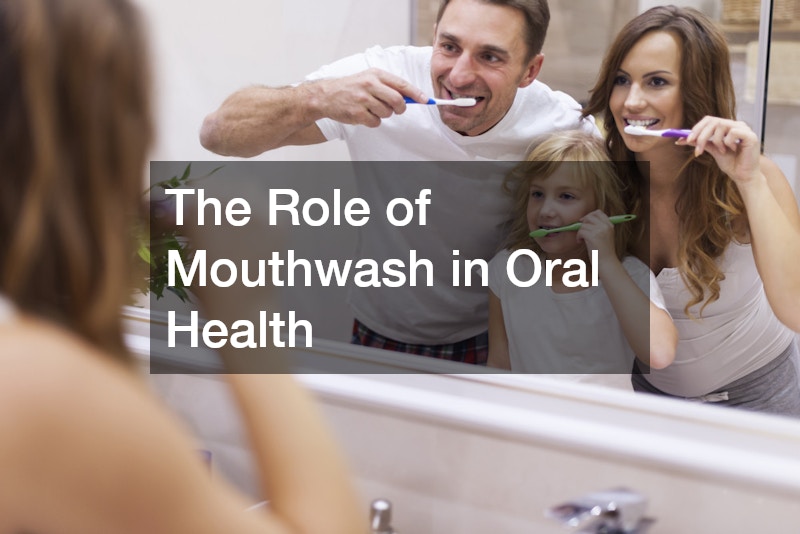
Mouthwash serves as a useful adjunct to brushing and flossing. It can help reduce plaque and gingivitis, as well as fight bad breath. Mouthwashes containing fluoride provide extra protection against cavities by strengthening the enamel. A therapeutic mouthwash can help reduce harmful bacteria and keep them at bay. Be sure to swish it around your mouth for at least 30 seconds for maximum benefit.
It’s important to choose the right type of mouthwash that suits your particular needs, whether it’s for reducing plaque, replenishing fluoride, or controlling bad breath. Some mouthwashes provide comprehensive benefits, while others are specialized for particular dental concerns. Checking for the American Dental Association (ADA) seal on products can help guarantee safety and effectiveness. Even if using mouthwash doesn’t substitute proper brushing and flossing, it enhances oral hygiene. Combined, these measures fortify defenses against tooth decay and gum disease.
Certain mouthwashes contain alcohol, which can cause dryness of the mouth if used excessively. It’s best to consult with your dentist to determine which type of mouthwash would be beneficial based on your unique oral health. They can also guide you on the proper usage to enhance results. A balanced routine integrating mouthwash along with brushing and flossing provides comprehensive protection. Efficiency in your oral care routine plays a significant role in achieving optimal dental health.
How Does Diet Impact Dental Health?
Identifying Foods that Harm Your Teeth
Diet has a profound effect on dental health, and identifying harmful foods is essential. Sugary snacks and beverages contribute to the formation of plaque acids that erode tooth enamel, leading to cavities. Snacks like candy, cookies, and soft drinks are common culprits. Acidic foods and drinks, like citrus fruits and sodas, can also weaken enamel and make teeth more susceptible to decay. Avoiding these foods or consuming them in moderation can significantly reduce the risk of damage.
Sticky foods, such as dried fruits or caramels, can also stick to the teeth and promote decay, especially if proper brushing doesn’t follow. It’s crucial to be vigilant with children’s diets, as they might be more prone to consuming such items. Encouraging the habit of rinsing the mouth with water after consuming sugary or acidic foods can minimize their harmful impact. Awareness is key in protecting your teeth from dietary hazards.
While you don’t have to completely eliminate such foods, ensuring they are not a regular part of your diet can help. Consuming them with meals, instead of snacking, can help minimize the damage because the production of saliva during meals helps wash away food particles and neutralizes acids. Additionally, choosing water over sugary drinks is a healthier choice for your teeth. Identifying tooth-harming foods is an essential step toward better oral care practices.