
Looking and feeling your best isn’t about chasing trends or trying to freeze time. It’s about creating a sustainable, realistic plan that supports your physical health, mental well-being, and confidence at every stage of life. What works in your twenties may not work in your forties, and what feels right in your fifties may look different than it did a decade earlier. The key is balance. A well-rounded approach combines movement, nutrition, professional guidance, preventative care, and thoughtful aesthetic choices. When you understand how these elements work together, you can build a lifestyle that supports longevity, vitality, and self-assurance — without extremes. Below, we’ll explore how to create that balanced foundation step by step.
Building a Strong Physical Foundation
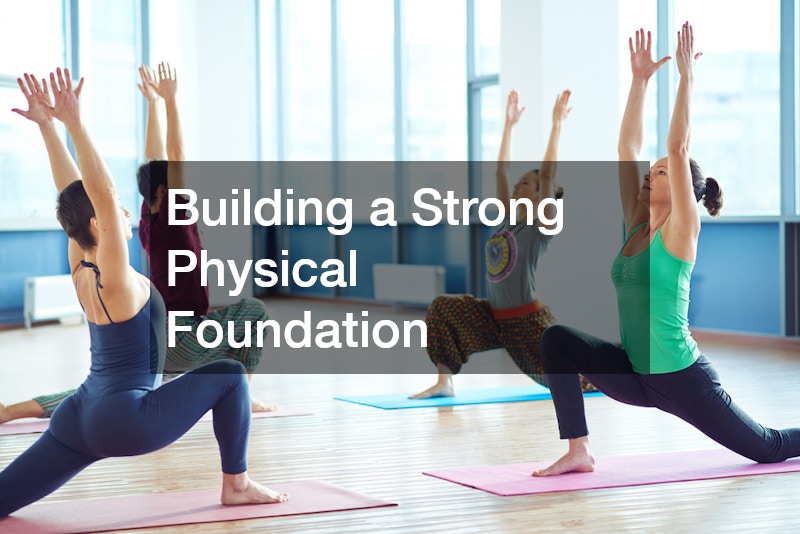
Creating a Sustainable Movement Routine
Regular exercise is one of the most powerful tools for maintaining energy, mobility, and long-term health. The goal is not intensity alone, but consistency. A balanced routine should include:
- Strength training to preserve muscle mass
- Cardiovascular work for heart health
- Mobility exercises for joint function
- Recovery days to prevent burnout
Rather than pushing yourself into unsustainable routines, aim for activities you genuinely enjoy. Walking, weight training, Pilates, cycling, swimming, and even dance classes can all be effective.
Choosing the Right Environment
For some people, a structured environment provides accountability. A gym membership can offer access to equipment, professional trainers, and a motivating atmosphere. However, the best option is the one you will consistently use. If you prefer flexibility, home workouts or outdoor training may be better suited to your lifestyle. The key is eliminating barriers to consistency.
Adjusting Fitness with Age
As the body changes, your training style should evolve. Recovery becomes more important. Joint care and flexibility matter more. Hormonal changes may influence energy levels and body composition. Balanced fitness means:
- Prioritizing proper warm-ups
- Incorporating strength to protect bone density
- Allowing adequate rest between sessions
- Listening to early signs of strain
Supporting Mental Well-Being Through Movement
Physical activity does more than shape your body. It reduces stress hormones, improves sleep quality, and boosts mood-regulating neurotransmitters. This mental clarity and emotional balance often enhance outward confidence just as much as physical results.
Creating Smart Weight Management Strategies
Understanding Sustainable Fat Loss
Quick fixes rarely deliver long-term success. A structured weight loss program should emphasize:
- Gradual progress
- Balanced nutrition
- Behavioral accountability
- Long-term habit development
Rapid changes often lead to rebound weight gain. Sustainable strategies prioritize metabolic health over temporary scale drops.
Evaluating Modern Medical Options
Some individuals explore physician-guided solutions, such as a skinny shot, typically referring to vitamin or metabolism-supporting injections. These treatments may assist energy or appetite regulation, but they should always be part of a broader health strategy — not a standalone solution. Before pursuing any injectable weight-support therapy, consult a licensed medical professional who evaluates your overall health.
Building Healthy Nutrition Habits
Instead of restrictive dieting, focus on:
- High-protein meals to preserve muscle
- Fiber-rich vegetables for digestive support
- Healthy fats for hormone balance
- Hydration for metabolic efficiency
Small, consistent adjustments often outperform extreme overhauls.
Tracking Progress Beyond the Scale
Body composition, strength improvements, energy levels, and sleep quality are all meaningful indicators of progress. A balanced mindset shifts focus away from short-term fluctuations and toward measurable health markers.
Enhancing Skin Health Over Time
Investing in Preventative Skincare
Preventative skin care often produces better results than corrective treatments later. Professional facials can improve circulation, exfoliate dead skin cells, and stimulate collagen production. When scheduled regularly, they help maintain clarity and elasticity while addressing concerns such as dryness, acne, or uneven texture.
Choosing Professional Support
A reputable local medspa can provide access to licensed providers who tailor treatments to your skin type and long-term goals. From light resurfacing procedures to hydration therapies, professional guidance ensures safety and effectiveness. Look for facilities that:
- Offer consultations before treatment
- Use medical-grade products
- Maintain strict hygiene standards
- Have licensed practitioners on staff
Supporting Skin from Within
Hydration, balanced nutrition, and proper sleep are foundational to radiant skin. No topical treatment can fully compensate for chronic dehydration or poor rest. Balanced skin care blends professional services with consistent daily habits.
Adjusting Skincare as You Age
In your twenties, the focus may be on acne prevention. In your thirties and forties, collagen preservation becomes more important. Later decades often emphasize firmness and hydration. Evolving your routine prevents overuse of unnecessary treatments while targeting the concerns most relevant to your current stage of life.
Exploring Non-Surgical Aesthetic Enhancements

Understanding Injectable Options
Preventative aesthetic treatments have grown increasingly popular. Botox services are commonly used to soften dynamic wrinkles and prevent deep expression lines from forming. When administered conservatively by a trained professional, these treatments can maintain a natural appearance while slowing visible aging.
Considering Structural Support
For individuals seeking more dramatic or long-term facial changes, consulting a qualified face lift doctor can help determine whether surgical intervention is appropriate. Surgery is not for everyone, but expert consultation allows for informed decision-making. A balanced approach means evaluating risks, recovery time, and realistic outcomes before proceeding.
Prioritizing Subtlety Over Drastic Change
The goal of aesthetic enhancement should be refinement, not transformation. Subtle treatments often yield the most natural results and maintain facial harmony.
Timing and Personal Readiness
Aesthetic decisions should never be rushed. Emotional readiness, financial stability, and a clear understanding of outcomes are essential before pursuing any procedure.
Contouring and Body Confidence
Understanding Modern Technology
Advancements in non-invasive technology now allow individuals to reshape certain areas without surgery. A body sculpting treatment may target stubborn fat pockets that do not respond to diet and exercise alone. These treatments typically rely on controlled cooling, heat, or radiofrequency to break down fat cells.
Realistic Expectations
While effective for contouring, these treatments are not substitutes for healthy habits. They work best for individuals already near their ideal weight who want refinement.
Combining Treatments with Lifestyle
Optimal results occur when contouring procedures are paired with consistent physical activity and balanced nutrition.
Consulting Qualified Professionals
Always seek licensed providers who explain:
- Expected results
- Number of sessions required
- Recovery timelines
- Potential side effects
Professional Education and Skilled Practitioners
Understanding the Importance of Proper Training
When it comes to aesthetic and wellness treatments, the provider’s education matters just as much as the procedure itself. Many skilled professionals begin their careers at a licensed cosmetology school, where they learn foundational techniques in skin care, sanitation, and client safety. Formal education ensures that providers understand anatomy, hygiene protocols, and product chemistry. This knowledge reduces risks and improves long-term results for clients seeking cosmetic enhancements.
Verifying Credentials and Licenses
Before scheduling any treatment, confirm that your provider:
- Holds current state licensing
- Has advanced certifications for specialized procedures
- Maintains continuing education credits
- Practices within their legal scope
A balanced approach to self-care includes protecting your health by choosing experienced professionals.
Continuing Education in Aesthetics
The beauty and wellness industries evolve rapidly. New techniques, devices, and products emerge every year. Responsible practitioners regularly attend workshops and advanced training programs to refine their skills and stay current with safety standards. When your provider invests in their education, you benefit from improved outcomes and modern treatment options.
Building Long-Term Client Relationships
Trust grows when you consistently see the same professional. Over time, they understand your skin type, goals, and sensitivities. This relationship creates customized plans rather than one-size-fits-all solutions. Consistency often leads to better long-term aesthetic and wellness results.
Preventative Care Versus Reactive Solutions
Starting Early with Preventative Measures
Waiting until a concern becomes severe often requires more aggressive correction. Preventative treatments are typically more subtle, affordable, and manageable over time. This principle applies to fitness, skin care, and aesthetic maintenance alike.
Maintaining Natural Movement and Expression
Preventative use of Botox services is often approached conservatively, focusing on maintaining natural facial movement while softening repetitive lines. When administered carefully, early maintenance may reduce the need for more extensive correction later. The goal is preservation, not paralysis.
Addressing Concerns Before They Progress
Similarly, scheduling regular facials can help manage minor texture, congestion, and early signs of aging before they become deeper concerns. Early care tends to require lighter treatments and shorter recovery periods.
Monitoring Progress Over Time
Balanced self-care includes periodic evaluations. Just as you reassess your fitness goals, you should reassess skin and aesthetic plans annually. Needs evolve, and so should your strategy.
Confidence Through Personal Style and Presentation
Investing in Grooming and Skincare
Looking polished often enhances how you feel internally. Professional services such as facials can refresh skin tone and boost self-confidence before major life events or career milestones. Healthy skin often reduces the need for heavy cosmetic coverage.
Choosing Enhancements That Reflect You
Whether it’s subtle contouring or wrinkle softening, the decision to pursue Botox services should reflect your personal aesthetic — not trends. The most successful results complement your natural features.
Emphasizing Overall Wellness
True confidence is layered. It combines physical vitality, emotional stability, and self-acceptance. External enhancements can support this, but they should never replace internal self-worth.
Avoiding Comparison Culture
Social media can create unrealistic standards. Balanced living means recognizing that edited images do not represent everyday reality. Focus on your own progress rather than external comparisons.
Nutrition and Hormonal Balance
Supporting Metabolic Health
As we age, hormonal shifts can impact metabolism, energy, and body composition. Some individuals incorporate medically supervised options like a skinny shot as part of a broader metabolic strategy. However, these tools should complement, not replace, balanced nutrition and regular movement.
Pairing Nutrition with Structured Guidance
A comprehensive weight loss program should include education about macronutrients, portion awareness, and behavioral habits. Sustainable results occur when knowledge replaces restriction.
Managing Blood Sugar Stability
Balanced meals that include protein, fiber, and healthy fats help prevent energy crashes and overeating. Stable blood sugar supports both physical performance and mental clarity.
Adjusting Intake by Life Stage
Nutritional needs shift over time. Protein requirements may increase to preserve muscle mass, while calorie needs may slightly decrease. Adapting your intake prevents unnecessary weight gain and fatigue.
The Role of Professional Aesthetic Facilities
Exploring Advanced Treatments
A trusted local medspa may offer non-invasive procedures such as laser resurfacing, injectable treatments, and skin tightening technologies. These options can complement at-home care routines. Professional evaluation ensures treatments align with your goals and medical history.
Combining Services Strategically
Some individuals combine services over time for gradual improvements. For example, pairing light resurfacing with periodic facials can maintain skin clarity and texture. Layered treatment plans often yield more natural-looking results.
Understanding the Importance of Consultation
Initial consultations provide opportunities to ask questions, review treatment timelines, and understand potential risks. Avoid facilities that pressure clients into immediate procedures without discussion.
Prioritizing Safety Standards
Look for clean environments, transparent pricing, and licensed staff. Safety should always outweigh convenience or promotional pricing.
When Surgical Options Become Relevant
Evaluating Long-Term Structural Changes
As facial volume and elasticity decrease with age, some individuals consult a facelift doctor to discuss long-term structural support. Surgical procedures require careful consideration, financial planning, and recovery time.
Understanding Risks and Recovery
All surgical procedures involve:
- Downtime
- Swelling and healing phases
- Potential complications
- Emotional adjustment
A balanced mindset includes realistic expectations and thorough research.
Seeking Multiple Opinions
Consulting more than one provider may clarify options and confirm whether surgery is necessary or if non-surgical alternatives could achieve similar results.
Aligning Timing with Life Circumstances
Surgical recovery requires time off work and social commitments. Planning reduces stress and supports smoother healing.
Recovery, Rest, and Longevity
Prioritizing Sleep Quality
Sleep regulates hormones, supports muscle recovery, and improves skin repair. Even the best exercise plan cannot compensate for chronic sleep deprivation.
Reducing Chronic Stress
Stress accelerates visible aging and contributes to weight gain. Incorporating mindfulness, journaling, or gentle movement can regulate cortisol levels.
Scheduling Recovery Days
Rest days allow muscles to rebuild and prevent injury. Overtraining often leads to fatigue and stalled progress.
Embracing Sustainable Pace
Longevity comes from consistency, not intensity. Small daily habits often produce greater lifetime results than extreme short bursts of effort.
Financial Planning for Self-Investment

Budgeting for Wellness
A gym membership, skincare treatments, or consultations may require financial planning. Allocating a monthly wellness budget prevents overspending.
Comparing Long-Term Value
Consider cost versus longevity. Some treatments may seem expensive upfront, but require fewer sessions over time.
Avoiding Impulse Decisions
Balanced decision-making involves research and reflection. Avoid booking procedures during emotional highs or lows.
Viewing Health as an Investment
Spending on preventative care today may reduce future medical expenses and improve quality of life.
Building a Personalized Long-Term Plan
Conducting Annual Self-Assessments
Each year, evaluate:
- Energy levels
- Physical strength
- Skin health
- Emotional well-being
Adjust plans accordingly.
Combining Movement and Maintenance
Pair regular exercise with thoughtful aesthetic care for balanced external and internal results.
Seeking Professional Guidance When Needed
Whether enrolling in a structured weight loss program or consulting specialists, professional guidance can accelerate safe progress.
Staying Flexible Through Life Changes
Career shifts, parenthood, and aging will influence priorities. A balanced plan evolves with you rather than resisting change. Looking and feeling your best at any age is not about perfection or extreme transformation. It’s about creating a balanced system that supports your physical health, emotional resilience, and personal confidence over time. By combining consistent movement, thoughtful nutrition, professional guidance, and strategic aesthetic choices, you can build a lifestyle that adapts gracefully with each new decade. True confidence comes not from chasing youth, but from honoring your body, investing in your well-being, and moving forward with intention.